
Author: Angeline Morgado, ASH Policy Intern
October 11, 2025
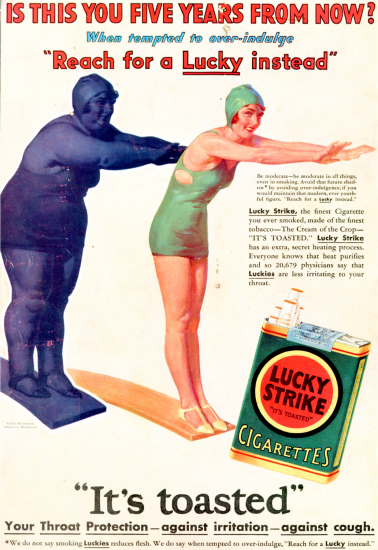 While global smoking rates among women have dropped faster than those of men, the story is far from over. According to the CDC, in the United States, about 10.1% of women still report smoking cigarettes every day or on some days. This prevalence percentage is significant, as Kathela (2025) writes in a Yale Medicine article, it’s harder for women to quit smoking than it is for men. The reasons have yet to be confirmed, but the greater difficulties that women face in their cessation journey can have important impacts, as the health risks are devastating.
Women who smoke face higher chances of heart attacks, strokes, and lung cancer compared to men who smoke. The American Lung Association reports that women are not only more vulnerable to the effects of tobacco but also 25% more likely to develop lung cancer, partly due to biological differences in lung structure and hormone interactions. Even more alarming, lung cancer is now the leading cause of cancer-related deaths among women in the United States, killing more women than breast cancer each year.
But what makes this especially harmful is how the tobacco industry has deliberately targeted women and girls for over a century. According to ASH’s report on “Protecting children from the tobacco industry,” the tobacco industry deliberately targets children and youth through advertising near schools and playgrounds, especially in low-income areas.
The Truth Initiative reports that since the 1920s, tobacco companies have used messages of empowerment and beauty to sell cigarettes. Early tobacco ads claimed smoking helped women lose weight with slogans like “Reach for a Lucky instead of a sweet.” 
By the 1960s, tobacco marketing had evolved with women’s changing roles in society. Philip Morris launched Virginia Slims with the appropriated line “You’ve come a long way, baby,” connecting smoking to independence and progress. The tobacco industry constantly adapted to the shifting narratives to continue pursuing profit.
When e-cigarettes entered the market, the same tactics continued. Brands like JUUL featured vibrant, youthful ads showing smiling women at parties, dancing and vaping, framing it as an accessory of partying or having fun. Shifting terms from “smoking” to “vaporizing” was an ill-intentioned attempt to misinform its target audience about the product. JUUL was showcased as the future of smoking, without mentioning how similar that future looked to the past.
 These ads didn’t just glamorize smoking; they hid its dangers. According to a Truth Initiative report, smoking can lead to irregular periods, early menopause, and increased PMS symptoms, especially for those who started smoking young. And despite the glamorization in the ads, smoking accelerates skin aging and facial wrinkles, and women who smoke are three times more likely to develop moderate to severe wrinkles than women who don’t.
While traditional cigarette use may be declining, the rise of e-cigarettes threatens to repeat history, drawing new generations into addiction under the guise of being a healthy alternative to the typical party lifestyle experience.
It’s time to call the tobacco epidemic what it is: a public health injustice rooted in gender inequality. The rise of e-cigarette use will likely be a catalyst to continue these cycles harmful to women’s health. It is imperative that we call out these practices and prevent the manipulation from the tobacco industry as it continues to negatively shape our public health and communities.
To support ASH’s work on preventing tobacco industry interference in our right to health, click here>