The Eleventh Conference of the Parties (COP11) of the WHO Framework Convention on Tobacco Control (FCTC) adopted a series of key Decisions including FCTC/COP11(10) Implementation of Article 18 of the WHO FCTC.
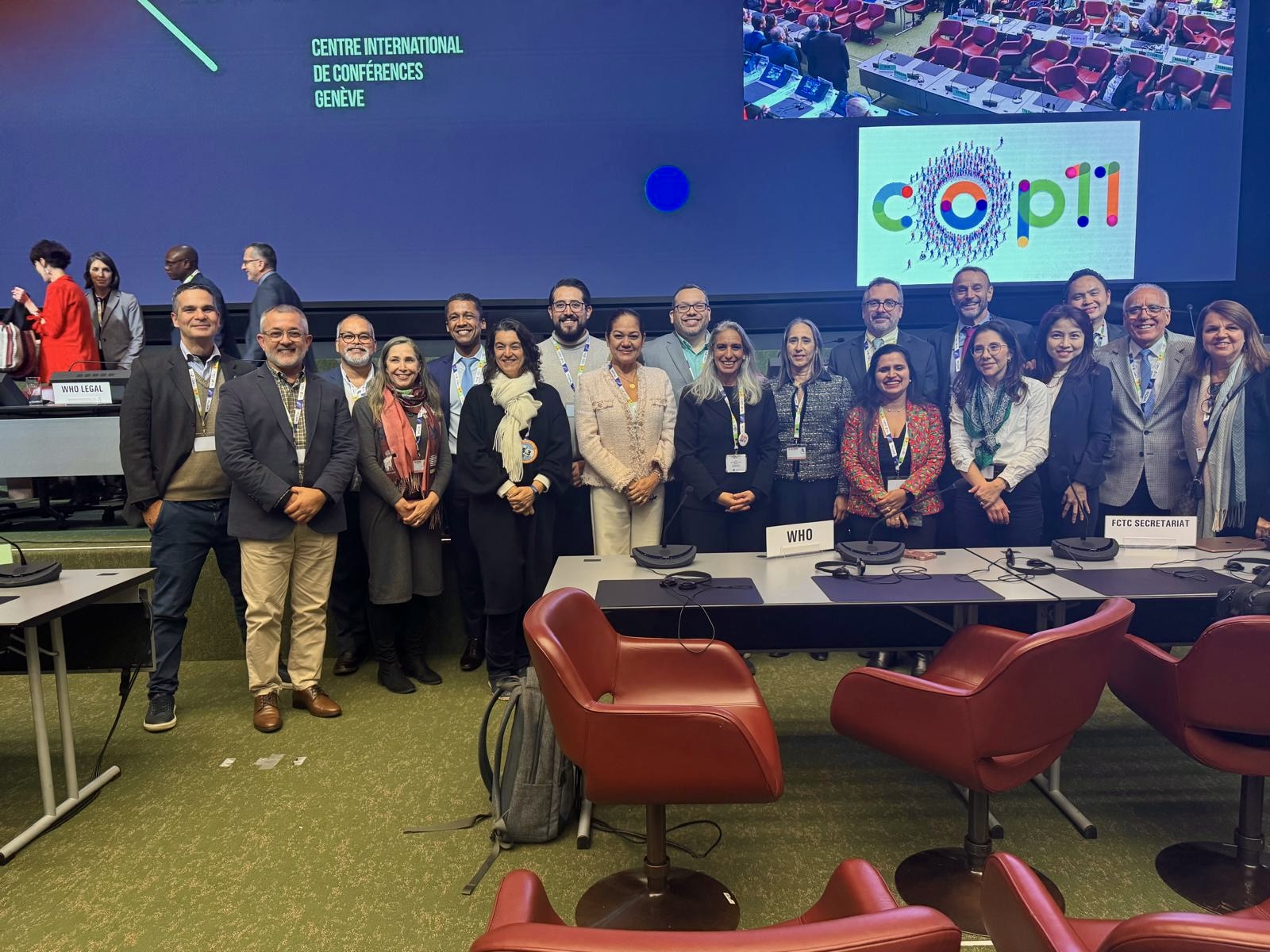
ASH is a proud supporter of this Decision adopted by the COP, the governing body of the Framework Convention on Tobacco Control, composed of 184 Parties (183 countries and the European Union). ASH also served as the chair of the Global Alliance for Tobacco Control (GATC) Expert Group on Article 18.
The Decision noted the report of the Convention Secretariat authorized by COP10 in 2024, which examined regulatory options regarding the prevention and management of waste generated by the tobacco industry and its products.
Key Elements of the COP11 Article 18 Decision – Protection of the Environment:
1. ENCOURAGES Parties to continue raising awareness about the environmental harms caused by tobacco in relevant fora, as appropriate;
2. INVITES Parties to consider strengthening implementation of Article 18 of the WHO FCTC, as appropriate, in accordance with national laws and circumstances, by:
(a) establishing coordination mechanisms between health, environment and other competent agencies to consider the possible classification of tobacco product waste (such as FCTC/COP11(10) 3 that containing nicotine, heavy metals or other toxic substances) based on scientific evidence;
(b) developing evidence-based studies and research, as appropriate, about the environmental impacts of pre- and post-consumption stages of tobacco and nicotine products and related electronic devices, including economic costs and sustainable solutions on prevention and management of waste management;
(c) developing evidence-based studies and research, as appropriate, on the costs of preventing and managing the waste produced by tobacco and nicotine products and related electronic devices;
(d) developing awareness campaigns on the environmental damage caused by production and consumption of tobacco and nicotine products and related electronic devices;
(e) identifying, exposing and countering greenwashing practices that portray the tobacco industry as socially responsible for the environment;
(f) developing or strengthening national databases and reporting mechanisms on the environmental impacts of tobacco;
(g) promoting, as appropriate, evidence-based studies and research on the environmental impacts of tobacco’s pre-consumption stages – including cultivation and primary processing where relevant – with attention to producer profiles, production systems, pesticide use, prevention and management of waste management, and key environmental, social and economic challenges; and
(h) considering comprehensive regulatory options regarding tobacco and nicotine product components, as referred to in the Partial guidelines for implementation of Articles 9 and 10, and related external components that increase environmental harms, taking into consideration public health impacts;
3. DECIDES:
(a) to request the Convention Secretariat, under the guidance of the Bureau, in coordination with the WHO FCTC Knowledge Hubs and with support from WHO, taking into account, as appropriate, the work and further development on environmental related matters in international fora, to develop a report including recommendations for Parties in considering policies and measures to prevent and manage the waste produced by tobacco and nicotine products and related electronic devices, including in relation to:
(i) legal and institutional pathways for possible classification of tobacco product waste under international environment and waste conventions, based in scientific evidence;
(ii) possible safeguards to prevent tobacco industry interference in environmental policy-making, including through extended producer responsibility systems;
(iii) possible measures, and other initiatives that could be applied to the tobacco industry to internalize environmental costs; FCTC/COP11(10) 4
(iv) methodologies to identify the impact of the tobacco trade on the environment and to estimate the costs of environmental and associated health damage caused by the tobacco industry for the purposes of liability under Article 19 of the Convention; and
(v) methodological guidance, data-collection instruments (templates) and indicators to support Parties in conducting the studies referred to in paragraph 2, including those on tobacco cultivation, with a view to promoting comparability, transparency and technical quality of analyses; and
(b) to prepare a report as outlined above, to be submitted to the Twelfth session of the COP and, as necessary, to continue consideration of this matter by the COP at a future session, taking into account further development on environmental related matters in international fora.
Next Steps
- Civil society can assist in spreading awareness of the Treaty Secretariat Report and the policy options included within.
- Civil society can offer technical assistance to governments desiring to explore policy measures to protect the environment.
ASH is co-founder of the Stop Tobacco Pollution Alliance (STPA), a civil society organization dedicated to ending the harm to the environment caused by the tobacco industry.
Contact the ASH Team with any additional questions at info@ash.org.