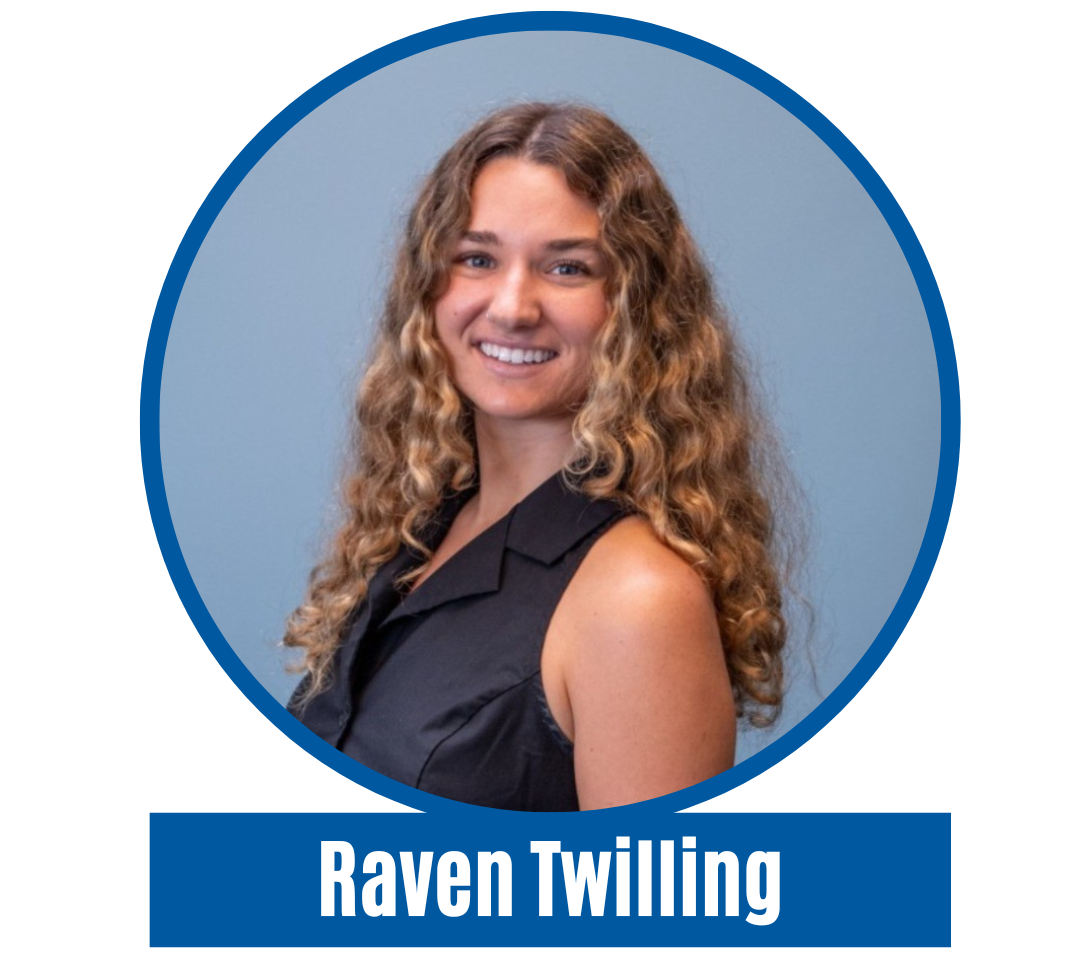
 Guest Author: Raven Twilling, Tobacco Prevention Coordinator at Bay Area Community Resources
The Youth Advocacy Committee (YAC) functions as an internship program for high school students in Marin County, designed to amplify youth voices in tobacco and nicotine prevention and policy advocacy. Each year, we engage a new cohort of nine students through a structured recruitment and engagement process that helps them develop advocacy skills, build community, and take ownership of local public health initiatives.
Recruitment Strategies
At the start of each school year, we launch a robust recruitment campaign to attract a diverse pool of applicants from across Marin County. Our outreach strategies include:
• Designing and distributing flyers at local high schools and sharing them directly with school counselors, wellness staff, and career coaches. Some schools require students to complete a minimum number of volunteer hours per year, and our program qualifies as volunteer work.
• Creating social media content to promote the internship opportunity, including posts on Instagram and Nextdoor (which helps reach parents interested in youth involvement).
• Collaborating with local non-profits that work with youth to share the opportunity within their networks.
• Posting flyers in youth-frequented community spaces such as libraries, community centers, athletic fields, tutoring centers, and skate parks.
These approaches aim to ensure that we reach students with different interests, backgrounds, and levels of experience, many of whom are engaging with policy and advocacy for the first time.
Internship Structure
YAC meets biweekly on Zoom throughout the school year, providing a consistent space for learning, collaboration, and reflection. Each meeting follows a predictable structure that balances relationship-building with skill development and project work:
1. Roll Call and Icebreaker: We begin each session by taking attendance and engaging in a fun icebreaker to help students connect and build comfort in the virtual space.
2. Announcements and Opportunities: We open the floor for students to share any updates or opportunities they’ve heard about—whether school events, volunteer roles, or relevant advocacy campaigns.
3. Training and Skill Development: Each meeting includes a short training on a policy-related or advocacy skill topic, such as understanding the local legislative process, how to give effective public comment, or crafting persuasive social media messages.
4. Small Group Work: Students then break into smaller working groups of three to focus on more personalized policy projects like drafting public testimony, creating social media posts, or developing educational materials for policy makers. Staff and mentors rotate between groups to provide support, answer questions, and ensure that students feel guided but empowered to take the lead.
Keeping Youth Engaged
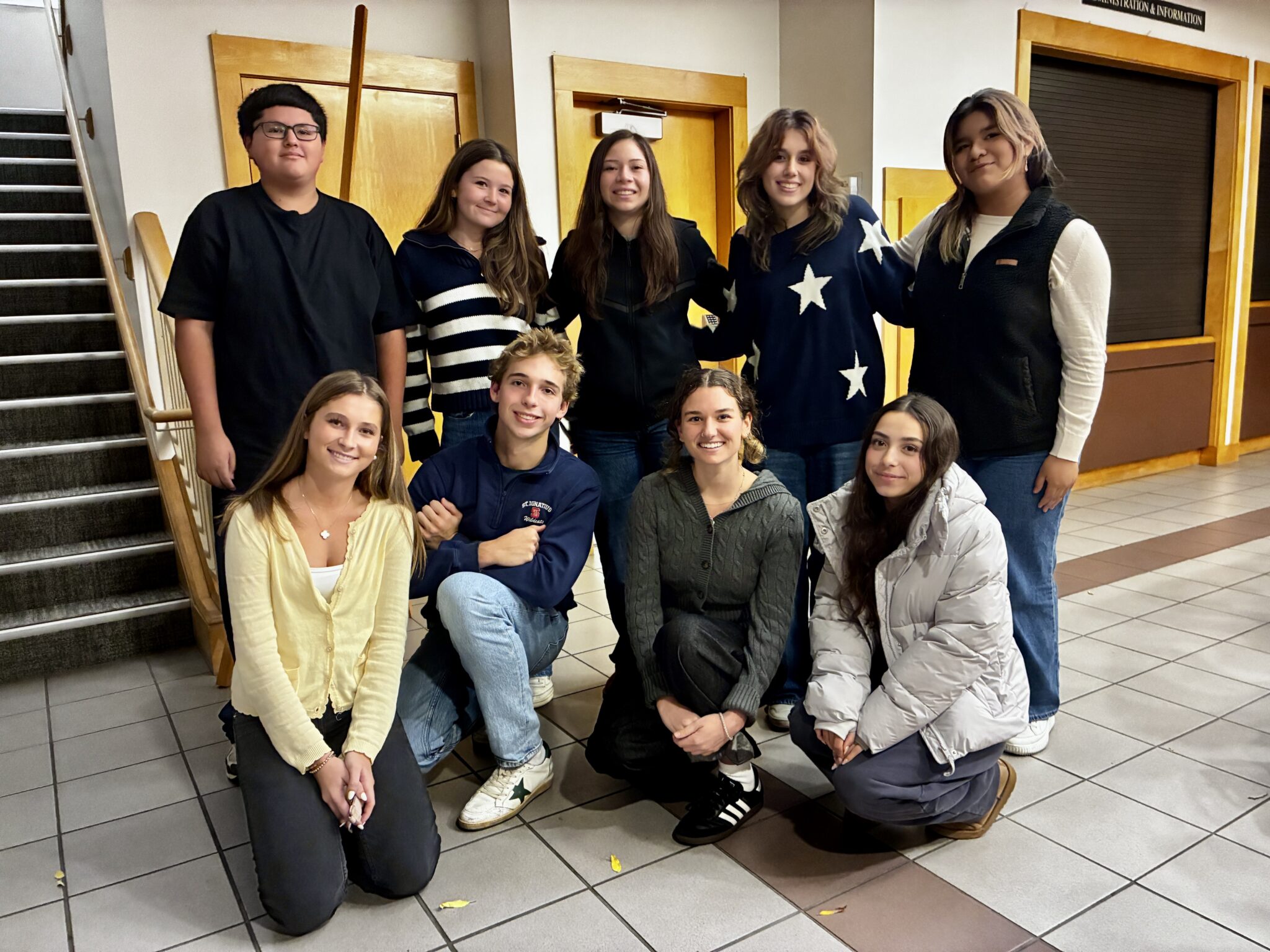
Sustaining youth engagement throughout the internship is key to the program’s success. We focus on making participation meaningful, rewarding, and community-driven. Some of the practices that have worked best include:
• Providing incentives: We offer food during meetings and stipends for participation to recognize the time and effort students contribute.
• Encouraging peer-to-peer connection: We build in team bonding activities and rely on peer accountability to maintain motivation and group cohesion.
• Balancing responsibilities: We handle administrative or logistical “heavy lifting” so students can focus on the more fun and impactful parts of advocacy, like speaking to councilmembers or creating public health education materials.
• Showing up as their biggest cheerleader: We regularly connect students with other opportunities, whether paid, educational, or community-based, and celebrate their successes along the way.
• Bringing positive energy: High school students juggle many commitments, so maintaining enthusiasm and energy is essential to keeping them engaged.
• Making the work personal: We help each student identify their “why”—whether their connection to tobacco prevention is rooted in health, environmental justice, or social equity—and create space for them to explore those motivations.
• Meeting them where they are: We use communication tools they’re comfortable with (like group chats, Canva, and Google Drive) to stay connected and organized. We also align our meetings with the academic calendar, such that the internship does not meet during school breaks or holidays.
• Building relationships: Consistent communication, empathy, and mentorship help establish trust and make students feel valued as part of the team.
• Celebrating wins: We celebrate milestones big and small—always with food! At the end of each school year, we host a gathering to honor our graduating seniors and reflect on the group’s accomplishments.
Creating Different Levels of Engagement
While the internship provides a structured and high-engagement experience, we also offer alternative ways for students to get involved. The Marin County Tobacco Prevention Speakers Bureau, for example, meets monthly and provides a lower-commitment opportunity for students to learn about policy advocacy, practice public speaking, and participate in community events.
This tiered approach helps us maintain a strong core of dedicated youth advocates while welcoming new students who may be just beginning their journey in public health and civic engagement.
Recent Youth Successes in Tiburon and Ross, CA
In recent years, YAC interns have played a pivotal role in advancing Tobacco Endgame efforts in Marin County, particularly in the towns of Tiburon and Ross. These jurisdictions have long been leaders in tobacco control, and youth advocates helped build on that foundation by conducting public opinion research, creating educational materials, and meeting directly with local policymakers to discuss the long-term benefits of phasing out commercial tobacco and nicotine sales. The educational materials created by students helped clarify what a comprehensive Tobacco Endgame policy would mean for small communities and how it aligns with broader public health and environmental goals. Youth testimony at City Council meetings brought a critical perspective to the conversation, emphasizing the importance of protecting future generations and acting against a predatory industry.
YAC’s outreach efforts helped build momentum and increase local readiness for adopting Endgame policies. In November 2025, Tiburon adopted a complete ban on the sale of all commercial tobacco and nicotine products. In December 2025, Ross followed suit, adopting an identical policy. The successes in Tiburon and Ross demonstrate the power of youth leadership in shaping forward-thinking public health initiatives and serve as a model for what is possible when decision-makers partner meaningfully with young advocates.
Learn More
• Youth Advocacy Committee website
• Smoke-Free Marin Coalition website
• Marin County Tobacco Prevention Program website